AI factories in Europe: who will own the tokens
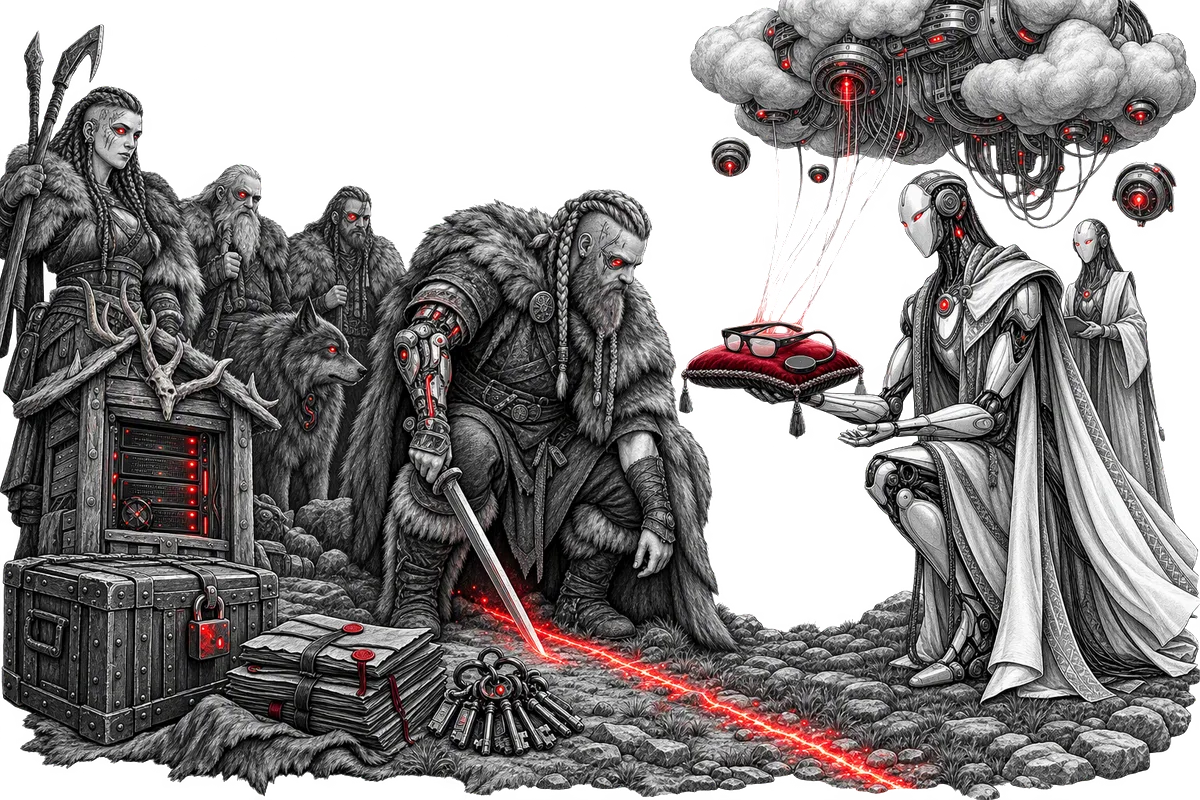
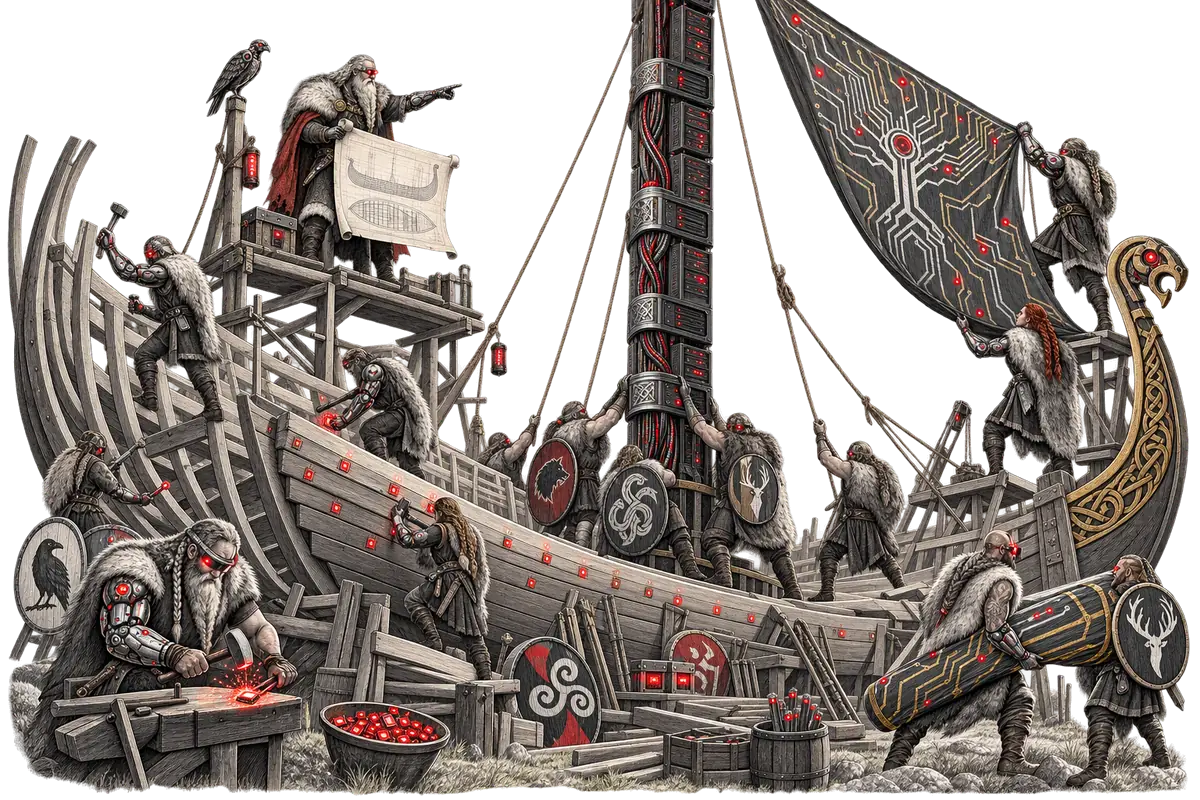
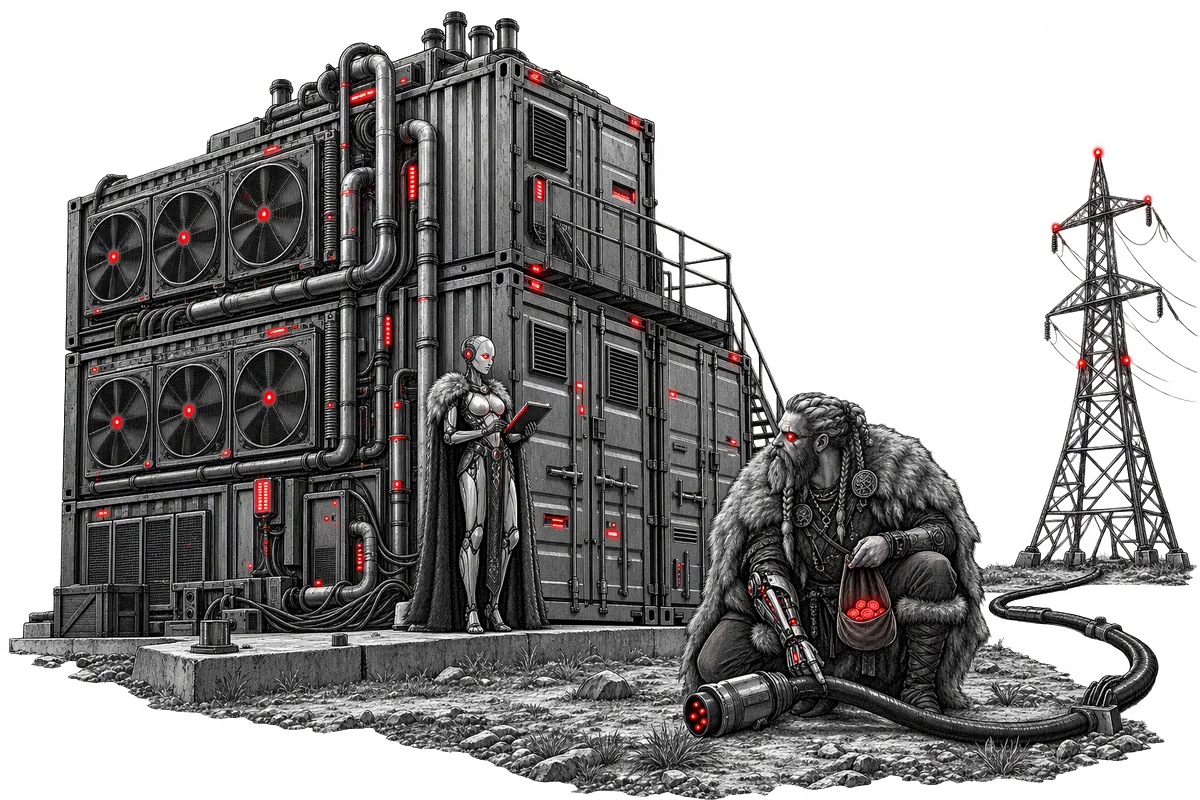
Container-built AI factories promise weeks instead of months, but Europe's real bottleneck is the grid. What that means for an owner who pays for AI by the token.
- AI factories
- tokens
- inference
The argument behind the show: why sovereign companies out-execute rented ones, what open weights change, and what leaving your SaaS stack actually costs.
Container-built AI factories promise weeks instead of months, but Europe's real bottleneck is the grid. What that means for an owner who pays for AI by the token.
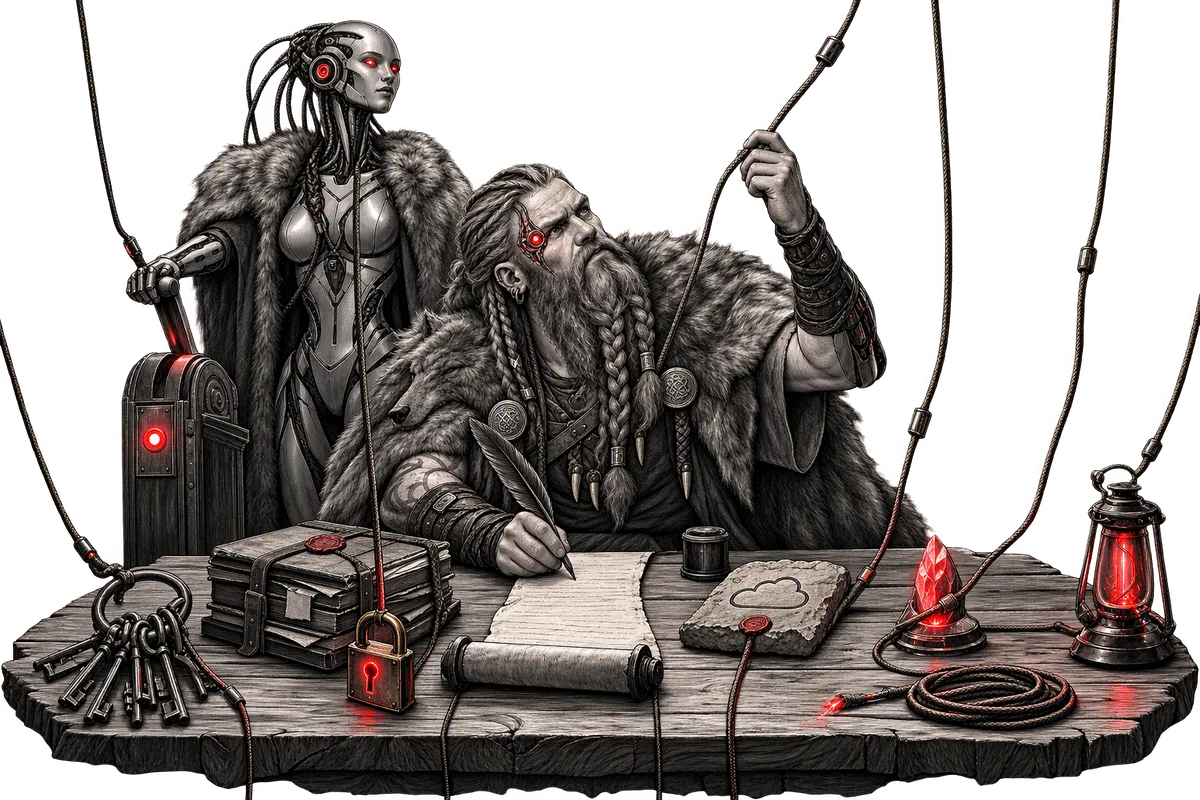
Five clauses in AI vendor agreements that quietly move control from you to them, and what an owner should ask for instead before the model becomes part of the business.
A one-day exercise for an owner. List every service, account, key and model the company cannot run without, who holds each one, and which have no way out.
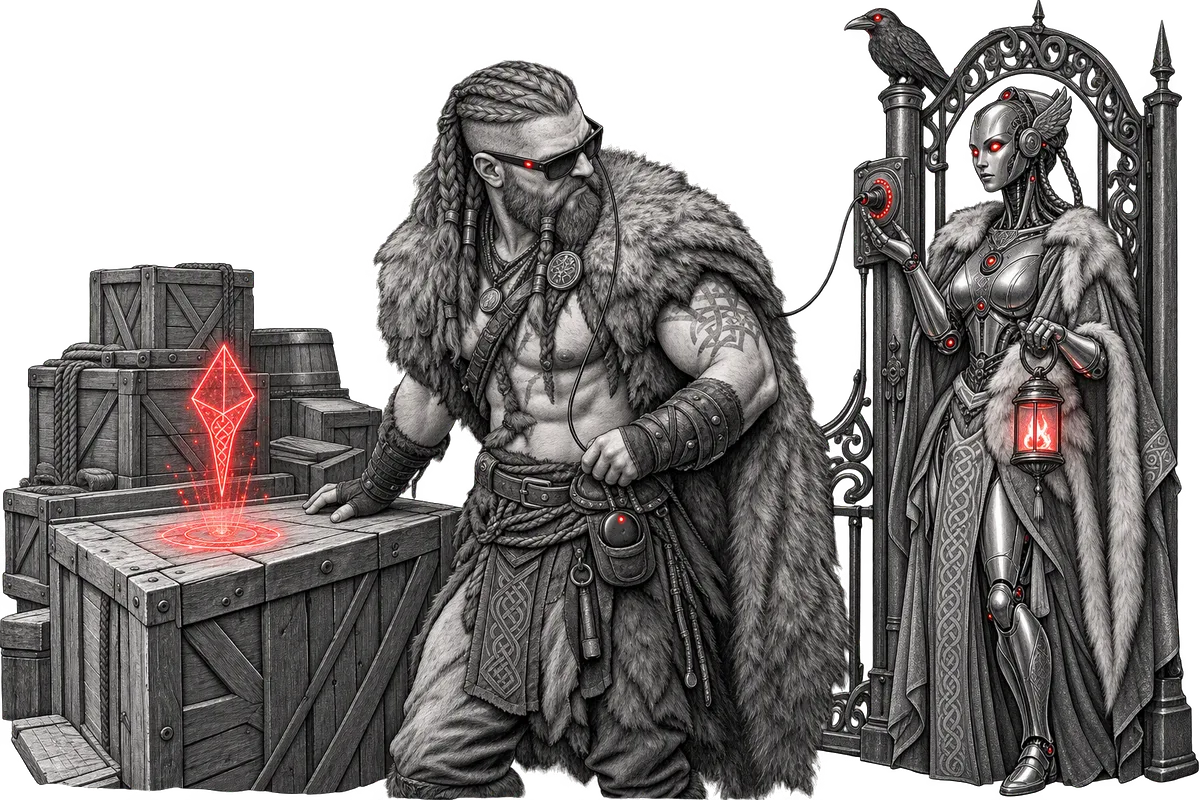
Android XR turns glasses and phones into bodies for a platform agent. For an owner it is one more layer of dependency on big tech, and some of it can stay yours.
Display glasses with an AI agent put a platform between your people and their work. XREAL Aura shows what that gets right, and what it hands to the platform owner.
Chips, AI compute, cloud and the right to take your data: the EU is building the European stack layer by layer. Policy moves in years; your contracts move in quarters.
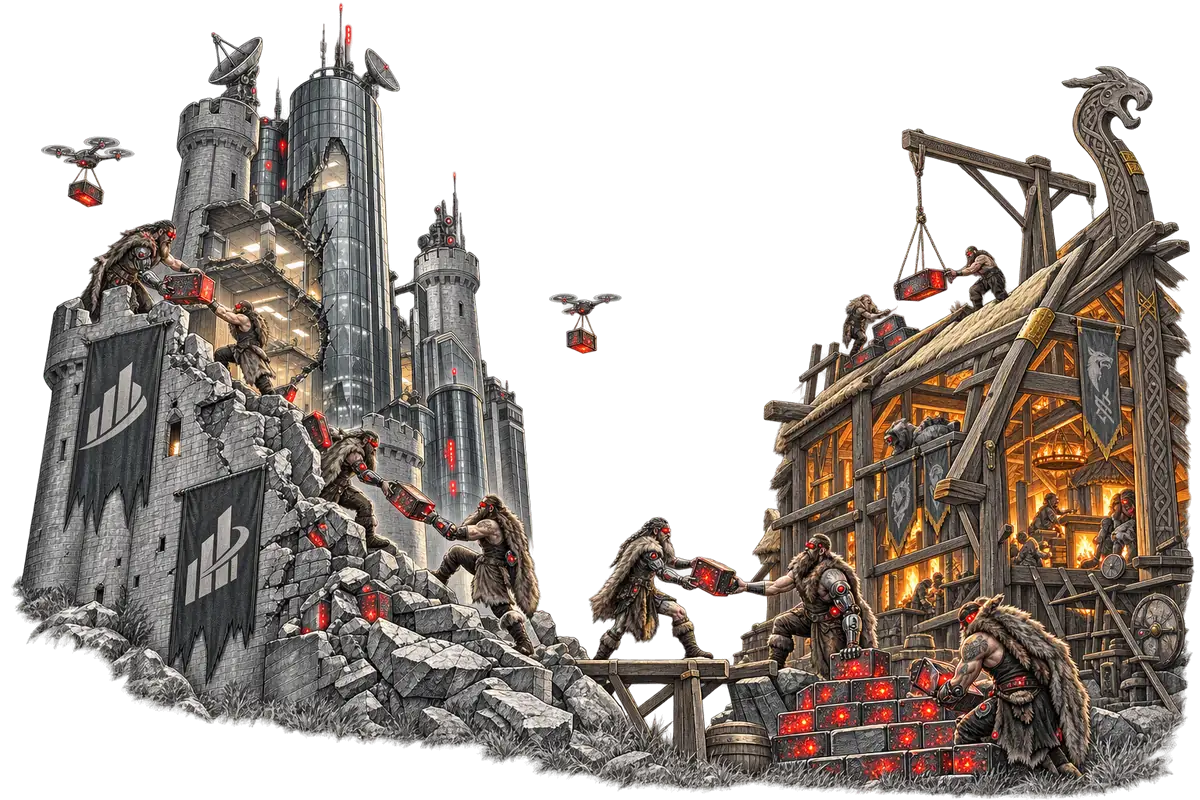
A one-weekend migration usually ends in a Monday rollback. Move out brick by brick instead: data first, then one process at a time, until the old system goes dark.
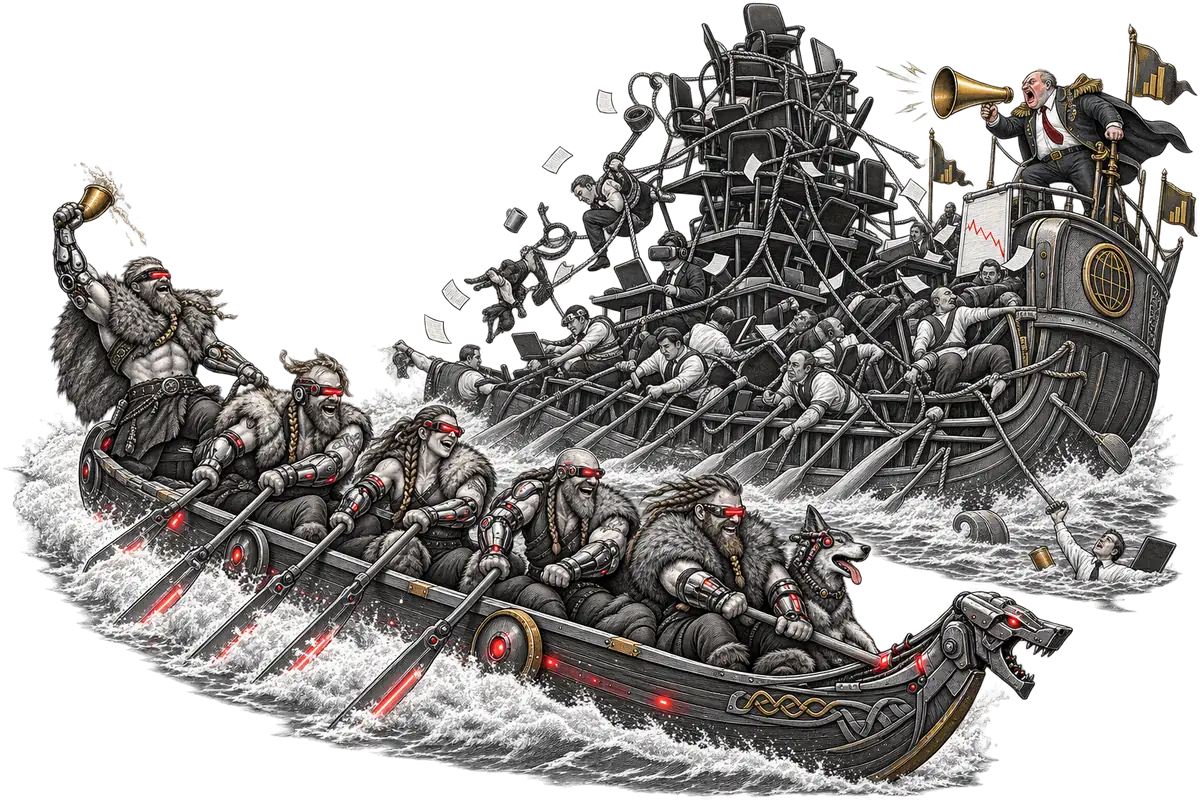
Big companies lose to small ones not on brains but on loop speed: every decision waits on a committee and a vendor roadmap. A small team that owns its stack turns it in days.
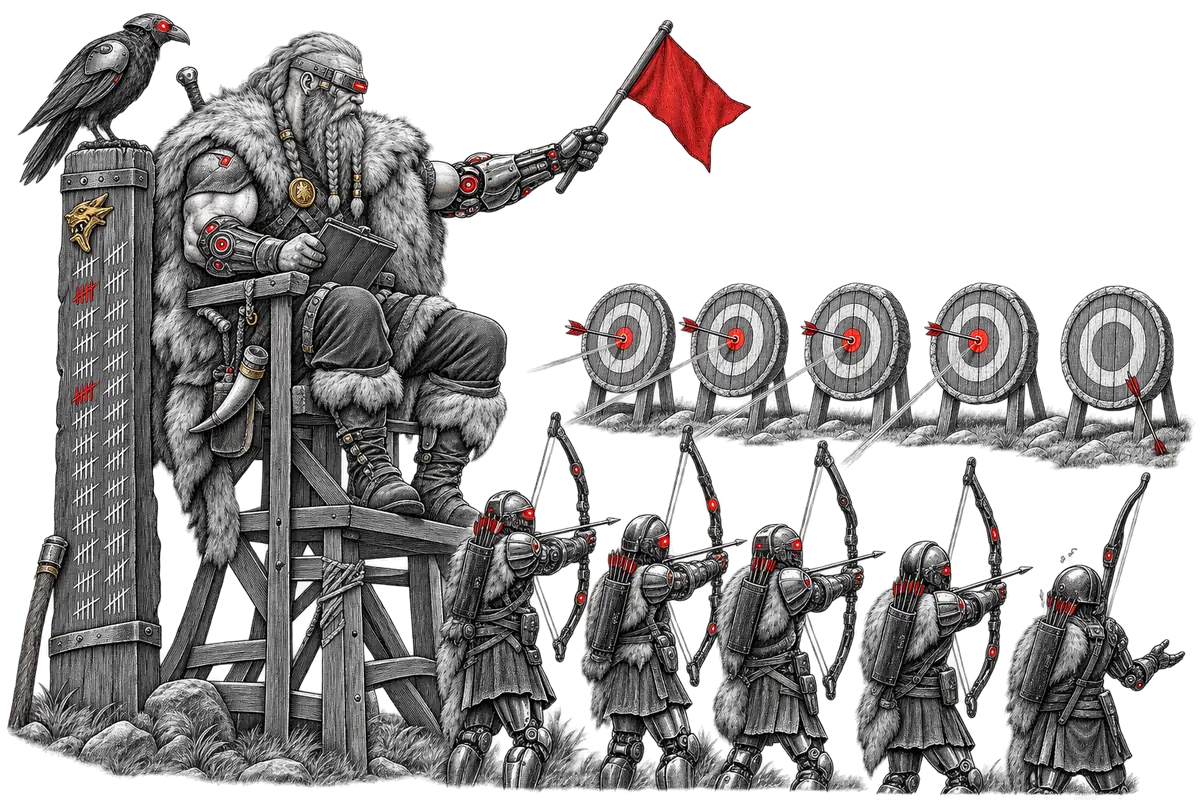
The demo always works. The question is whether it works on your data, at 4 pm on a Friday and after the next model update. A test set answers that; an impression does not.
A chatbot answers. An agent acts: it invoices, orders, sends. And because it acts, it needs what any new hire needs — a remit, permissions, supervision and a log.
Do not start with a server. Start with one task, a test set and an honest comparison against an API model. Only then do you know how much hardware you actually need.
Models, compute and software keep getting cheaper. Your company's history — orders, complaints, decisions — cannot be recreated. It is the only layer that compounds.
The barbarians of 1988 borrowed money and bought the company. The ones at the gate now build systems that make the company they are storming irrelevant.
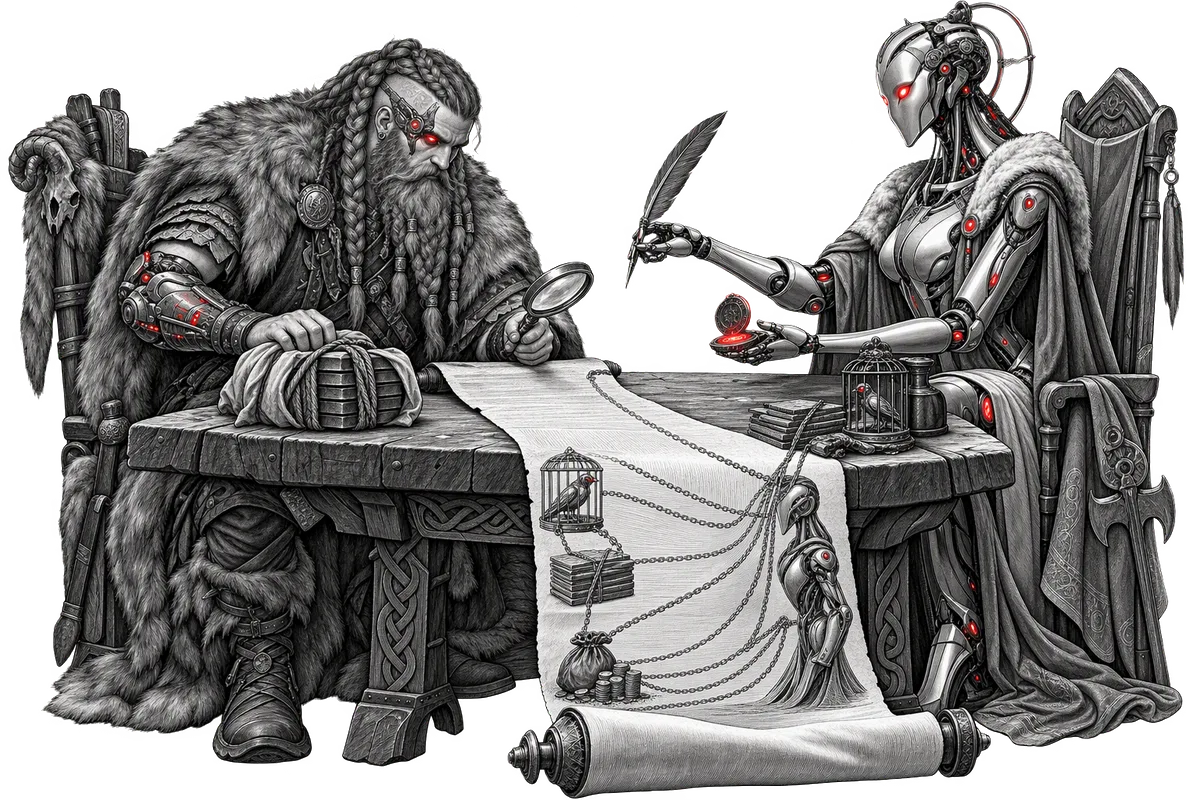
Digital sovereignty gets argued as politics and decided as purchasing. The questions that actually matter are jurisdiction, exit cost and who can turn your systems off.
A weights file you keep behaves like a machine you bought. An API endpoint behaves like a lease with a clause letting the landlord change the machine.
Nobody budgets for the exit, which is why the exit never happens. How to price lock-in before the renewal instead of discovering it during one.
Systems of record store what happened. Systems of engagement collect it. A system of action decides and executes — which is why the old stack boundaries stop making sense.